
Colonoscopy:Screening & Procedure Details in Conyers GA
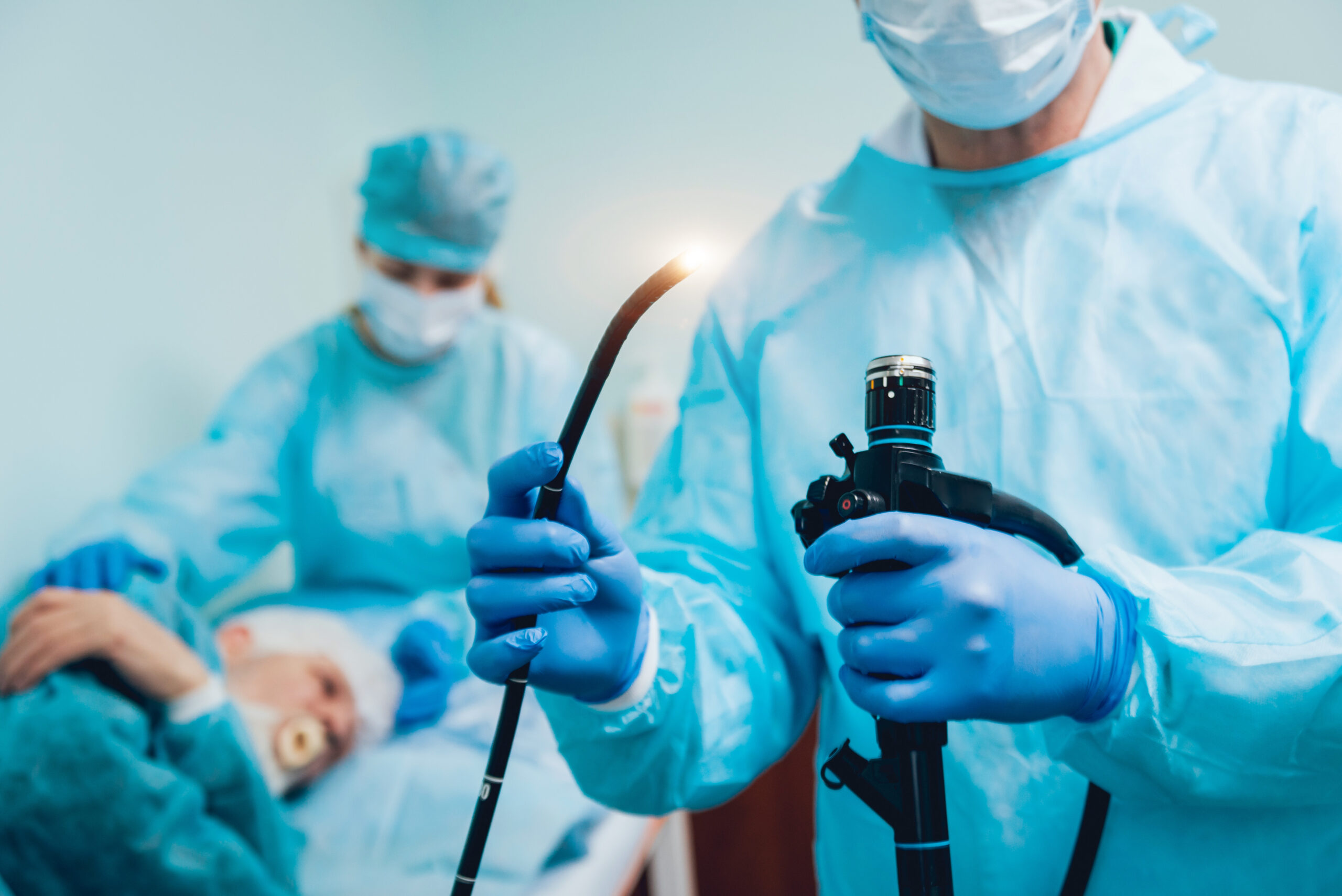
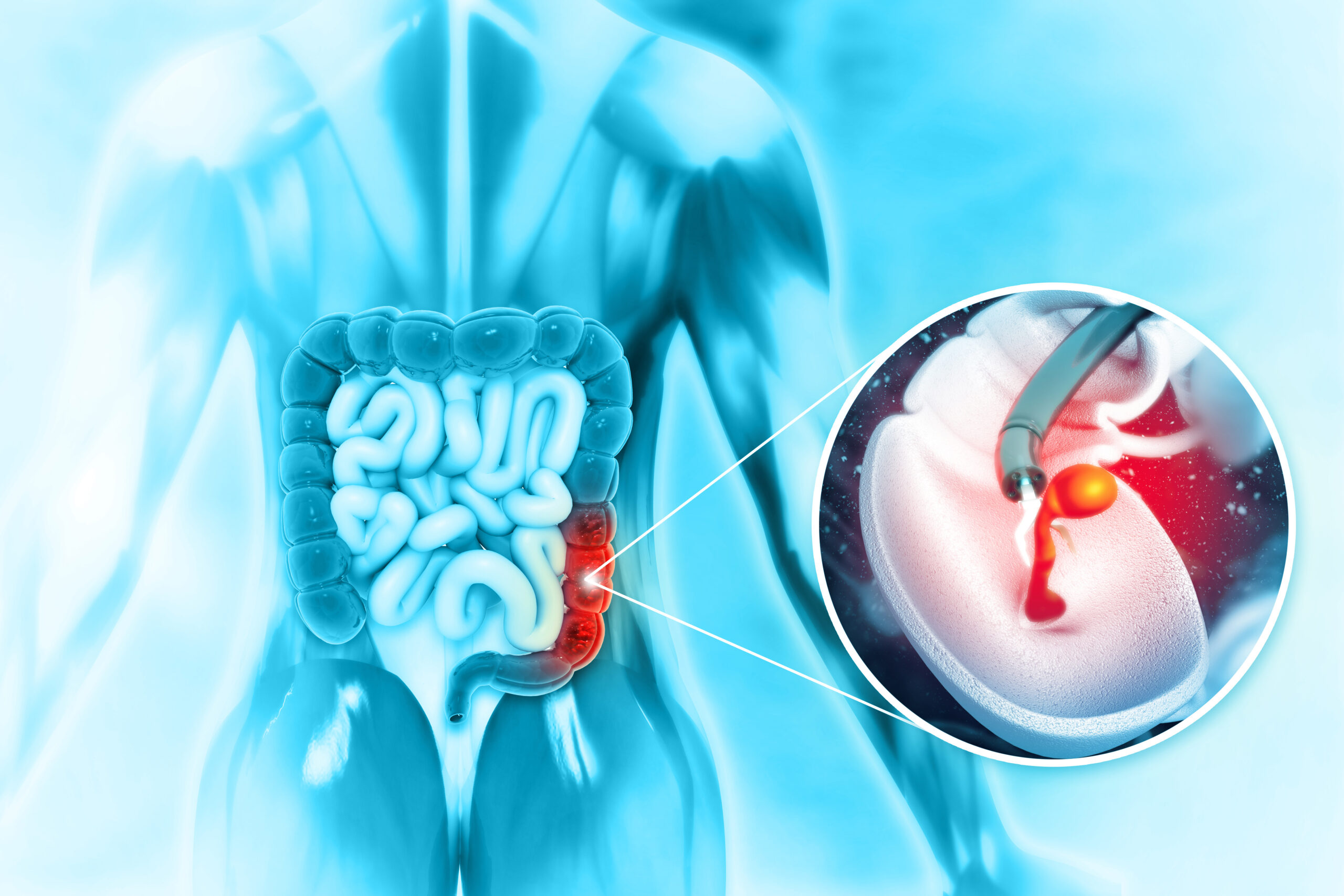
The large intestine, also called the colon, is the last portion of your digestive tract. It consists of a hollow tube about 4 feet long that absorbs water and minerals from digested food and contains the rectum which stores undigested solid waste. Colonoscopy refers to a procedure in which, colonoscope is used to look inside the colon . Colonoscope is a thin flexible tube, with a tiny video camera and a light at the end, that is long enough to inspect all of the large intestine and even the lower part of the small intestine. The high quality picture from the
Colonoscope is shown on a TV monitor. By adjusting the controls on the colonoscope, Karim Shakoor, M.D(hyperlink) can carefully guide the instrument in any direction to look inside the colon
Understanding the Importance of a Colonoscopy
Understanding the Importance of a Colonoscopy
A colonoscopy is a vital medical procedure that serves preventive, diagnostic, and therapeutic purposes. To check for colorectal cancer, identify digestive problems, or treat specific ailments, your doctor might suggest a colonoscopy. Regular screenings are crucial for early detection and prevention of colorectal cancer because the disease can develop without obvious symptoms.
Why Is Colonoscopy Essential for Cancer Screening?
The majority of people have a colonoscopy as part of their regular cancer screening.
The American Cancer Society recommends routine screenings beginning at age 45 because the risk of colorectal cancer rises with age.
Proactive screening is the most efficient method of identifying and preventing colorectal cancer because the disease frequently shows no symptoms in its early stages.
Colonoscopy can also be used to evaluate problems such as
- Blood Loss
- Active bleeding from the large intestine
- Changes in bowel habits like diarrhea
- Abdominal or rectal pain
- The procedure usually lasts about 20 to 30 minutes and recovery afterwards is another 20 minutes or so.
Take Control of Your Digestive Health with a Colonoscopy
Take Control of Your Digestive Health with a Colonoscopy
One effective method for identifying, evaluating, and treating digestive health problems is a colonoscopy.
This procedure is essential to preserving your general health, whether you require a routine screening, an assessment of inexplicable symptoms,
or a focused treatment. If you’re due for a colonoscopy, make an appointment at Colon & Digestive Health Specialists LLC and take the first step toward better digestive health.
Symptoms That May Require a Colonoscopy
Colonoscopy for Treatment: What Can Be Addressed?
Procedures Performed During a Colonoscopy
- Eliminate polyps (polypectomy) to stop the growth of cancer.
- Close any intestinal lining wounds.
- Directly inject drugs into the afflicted area.
- Eliminate any obstructions that might be preventing the intestines from moving.
- If the colon narrows, place stents to keep it open.
- Treat atypical tissues with laser therapy.
Frequently Asked Questions about Digestive Health Care
What is a colonoscopy and why is it done?
A colonoscopy is a procedure where a doctor uses a flexible tube with a camera to examine the inside of your colon and rectum. It’s done to screen for colon cancer, investigate digestive symptoms, or check for conditions like polyps or inflammatory bowel disease.
At what age should I get my first colonoscopy?
Most people should start screening at age 45, according to the American Cancer Society. If you have a family history of colorectal cancer or other risk factors, your doctor may recommend earlier screening.
How do I prepare for a colonoscopy?
You’ll need to follow a clear liquid diet for 24 hours before the procedure and take a prescribed bowel prep solution to clean out your colon. Following instructions carefully is essential for accurate results.
How long does a colonoscopy take?
The procedure typically takes 20 to 45 minutes. However, you should plan to be at the clinic for a few hours to allow for check-in, sedation, and recovery time.
What can a colonoscopy detect?
A colonoscopy can detect colon polyps, precancerous lesions, colorectal cancer, ulcers, inflammation, and signs of Crohn’s disease or ulcerative colitis.

For Life-Threatening Emergencies Call 911
Our location
Colon & Digestive Health Specialists 1805 Honey Creek Commons, Ste B, Conyers GA 30013