
Warning Signs of Colorectal Polyps You Shouldn’t Ignore
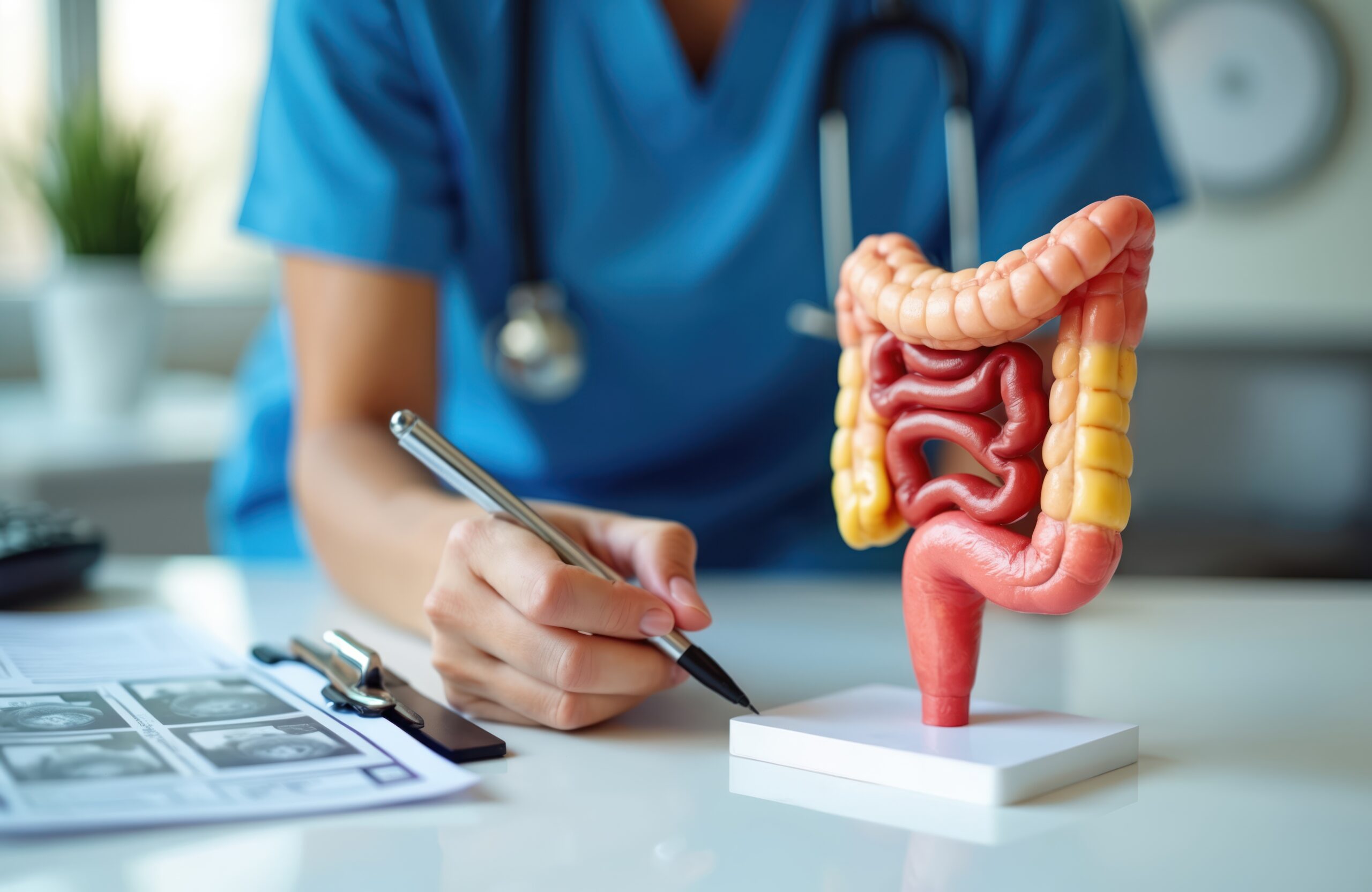
Colorectal polyps are tiny clusters of cells that develop on the colon or rectum’s lining. Although the majority of polyps are benign, some have the potential to progress into colorectal cancer over time, frequently with no outward signs. Early detection of colorectal polyp warning signs is therefore essential for prompt screening and prevention.
What Are Colorectal Polyps?
Growths known as colorectal polyps appear on the colon’s or rectum’s inner wall. Particularly in adults over 45, they are fairly prevalent. The majority of polyps are benign and vary in size and shape. Nonetheless, some varieties, especially adenomatous polyps (adenomas), have the capacity to develop into cancer.
The most accurate method of finding polyps is through routine colonoscopy screenings because they frequently don’t show any symptoms. You shouldn’t disregard certain early indicators of colorectal polyps, though.
Why Early Detection of Colorectal Polyps Is Crucial?
Many people are unaware that they have polyps for years. The third most common cancer in the United States, colorectal cancer, can be considerably decreased by detecting polyps early through screening or symptoms.
By enabling physicians to remove polyps before they become dangerous, routine colon screenings starting at age 45 can prevent cancer, according to the American Cancer Society.
Top Warning Signs of Colorectal Polyps
- Rectal Bleeding: Rectal bleeding or blood in the stool are two of the most typical signs of colorectal polyps. You may notice darker, tar-like stools or bright red blood on toilet paper.
Hemorrhoids or small tears may be the cause of rectal bleeding, but if the bleeding continues, a gastroenterologist should be consulted
- Changes in Bowel Habits: Frequent diarrhea, constipation, or a change in stool consistency can signal colorectal polyp symptoms. If these changes last longer than a week or two, they may indicate something more serious than dietary issues.
Look for:
Narrower than normal stools
Sudden urgency or incomplete evacuation
Unexplained irregularity in bowel movements
- Abdominal Discomfort or Cramps: Larger polyps may obstruct portions of the colon, leading to abdominal pain, cramping, or bloating. Though not a definitive sign on its own, persistent abdominal discomfort should be investigated.
- Unexplained Fatigue or Weakness: Iron-deficiency anemia, which results from persistent internal bleeding from a polyp, can cause exhaustion, lightheadedness, or dyspnea. It might be time to have your colon health examined if you’re experiencing unusually high levels of fatigue without any apparent cause.
- Unintentional Weight Loss: Although rare with benign polyps, significant weight loss without changes in diet or activity level can sometimes be linked to polyps — especially if they’ve begun to show signs of malignancy.
Who’s at Risk for Colorectal Polyps?
While anyone can develop polyps, some factors increase your risk:
Age 45 or older
Family history of colorectal polyps or cancer
Diet high in red or processed meats
Smoking or heavy alcohol use
Sedentary lifestyle
Obesity
History of inflammatory bowel disease (IBD)
If you have any of these risk factors, regular screenings are even more essential.
How Are Colorectal Polyps Diagnosed?
A colonoscopy is the most accurate way to find and remove polyps. A flexible camera examines the colon and rectum during the procedure; if polyps are discovered, they can be removed and examined.
Other diagnostic tools may include:
Stool-based tests (FIT, Cologuard)
CT colonography (virtual colonoscopy)
Flexible sigmoidoscopy
However, only a colonoscopy allows for immediate removal and biopsy, making it the gold standard in colorectal cancer prevention.
Tips for Preventing Colorectal Polyps
While not all polyps can be prevented, you can reduce your risk with healthy lifestyle choices:
Eat a diet high in fruits, vegetables, and fiber
Limit red and processed meats
Exercise regularly
Maintain a healthy weight
Avoid smoking and excess alcohol
Stay consistent with screenings (especially after age 45)
Take Action: Book a Screening Today
If you’re over 45, have a family history, or are experiencing symptoms, don’t wait. A simple colonoscopy could save your life by identifying and removing polyps before they become cancerous.

For Life-Threatening Emergencies Call 911
Our location
Colon & Digestive Health Specialists 1805 Honey Creek Commons, Ste B, Conyers GA 30013